author avatar
    Technology Manager of Test Dept.
Last update by James Smith at 16 May 2026

Summary
This guide covers technical approaches to clone hard drive with bad sectors, including pre-cloning diagnostics with chkdsk, intelligent error-handling tools like Renee Becca, and alternative methods for advanced users. It outlines step-by-step procedures, tool comparisons, and post-clone verification to maximize data recovery success while minimizing further drive stress.


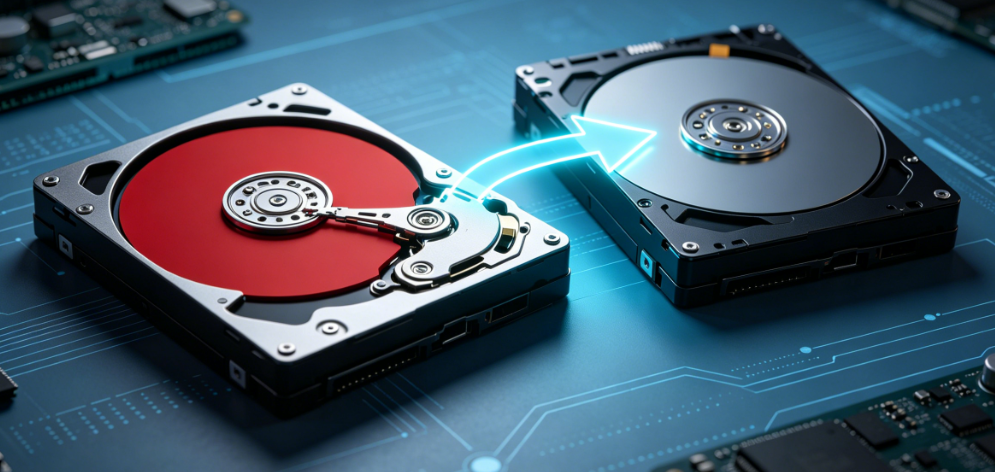
When we talk about cloning a hard drive that has bad sectors, we mean creating a full copy of a failing drive while handling read errors intelligently instead of giving up. Bad sectors are spots on a hard drive that can no longer reliably store or read data. They usually come from physical damage, normal wear, or manufacturing defects — though some logical bad sectors can also appear due to file system errors.
Clone Hard Drive with Bad Sectors
Most standard cloning tools stop at the very first read error they hit. That defeats the whole purpose when you need to clone a hard drive with bad sectors. You end up with a partial or failed copy, which doesn’t help anyone. People searching for solutions often report that their drive slowed way down, certain files became impossible to open, or the system started throwing “cyclic redundancy check” errors during everyday use.
Common symptoms include system freezes, blue screens when accessing specific files, painfully slow copy operations, and SMART warnings or chkdsk reports mentioning bad sectors. These signs create real urgency because every hour you keep using a failing drive, you risk making the damage worse and losing data permanently.
AspectStandard CloneBad-Sector Aware Clone

Behavior on errors

Aborts on first bad sector

Continues with intelligent skipping or retry logic

Data recovery potential

Low on damaged drives

Higher, focuses on readable data first

Typical outcome

Incomplete clone

Usable copy with minimal loss

Home users and small business owners facing these drive failure signs often feel overwhelmed by the risk of losing years of photos, documents, or work files. That’s normal — but there is a safe way forward.

First critical step – run CHKDSK to detect and mark bad sectors before any clone attempt

Do not attempt cloning without running chkdsk first.

Running chkdsk scans the entire disk, finds bad sectors, and marks them so the operating system knows to avoid them. This step reduces extra stress on the drive during cloning and greatly improves your chances of a successful transfer.
The process can take several hours depending on the drive size and how damaged it is. Skipping it risks incomplete clones or even additional damage to the drive.

1. How to run chkdsk correctly on a failing drive

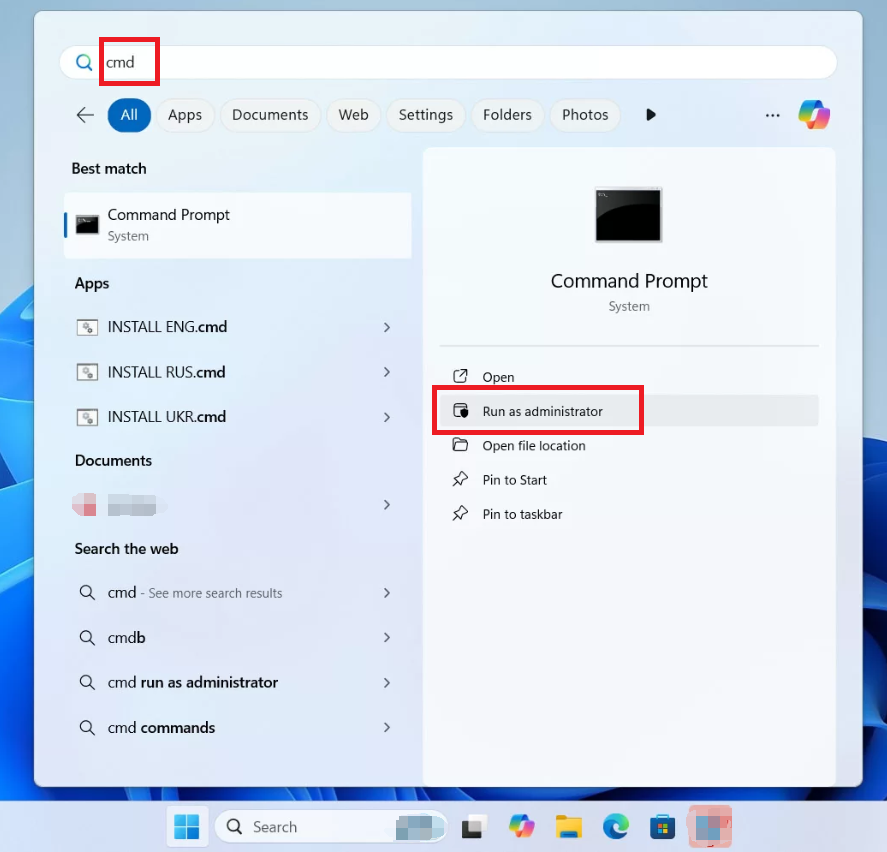
Step 1: Open an elevated Command Prompt (run as Administrator)
Windows 11, run cmd as administrator
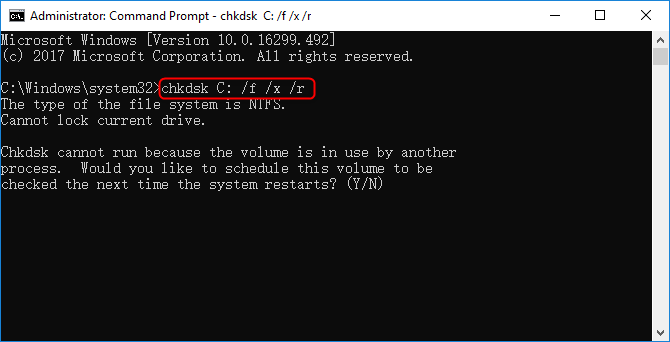
Step 2: type:

chkdsk C: /f /x /r

Replace C: with the letter of the affected drive. For non-system drives, you can run this while Windows is running normally. For the system drive, Windows will schedule it to run at the next restart.
If chkdsk gets stuck at a certain percentage, let it keep running as long as possible — interrupting can cause more problems. After it finishes, review the results: note how many bad sectors were found and what file system fixes were applied.
check disk to fix bad sectors

2. When to stop and seek professional help

Stop trying to fix it yourself if you hear clicking or grinding noises, the drive stops showing up in BIOS, or chkdsk simply won’t finish after several attempts. In those cases, professional data recovery services (with cleanroom facilities) give you the best chance of getting your critical files back.
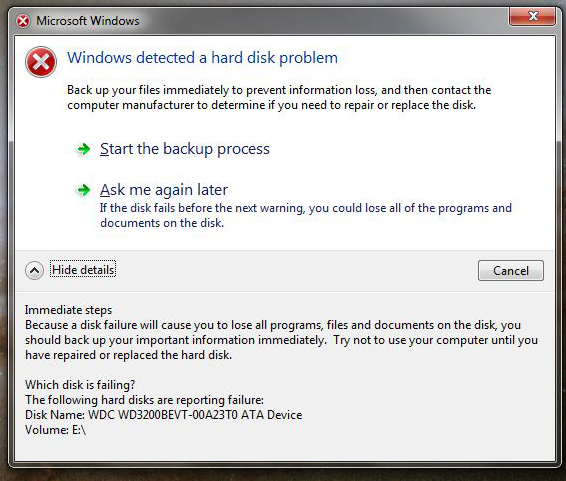
critical hard disk problem, smart error

Renee Becca is the recommended tool for cloning a failing drive with bad sectors

Renee Becca – Safe and Quick System Migration to SSD

Automatic 4K alignment Improves SSD performance during system migration.

Support GPT and MBR Automatically adapt to the suitable partition format.

Support NTFS and FAT32 Redeploy various files in different file systems.

Back up quickly Back up files at up to 3,000MB/min.

Overall backup schedule Support system redeployment/system backup/partition backup/disk backup/disk clone.

Automatic 4K alignment Improve SSD performance

Support GPT and MBR Intelligently adapt to a partition format

Support NTFS and FAT32 Redeploy files in different file systems

Free TrialFree TrialNow 56337 people have downloaded!
Renee Becca really stands out for drives with bad sectors because it handles read errors intelligently and keeps going instead of aborting. It supports full hard disk cloning as well as targeted system redeploy options.
Key advantages include:
Intelligent sector handling that skips problematic areas while copying everything readable
Flexible options like Hard Disk Clone for complete transfers or System Redeploy for OS-only migration
Bootable media support for when the source drive won’t boot normally
This makes Renee Becca suitable for both home users and business users who need reliable results after running that initial chkdsk scan.
download now

Step-by-step: how to clone a hard drive with bad sectors using Renee Becca after chkdsk

Once chkdsk has finished and marked the bad sectors, Renee Becca gives you a straightforward way to perform the clone.

1. Preparing the source and destination drives

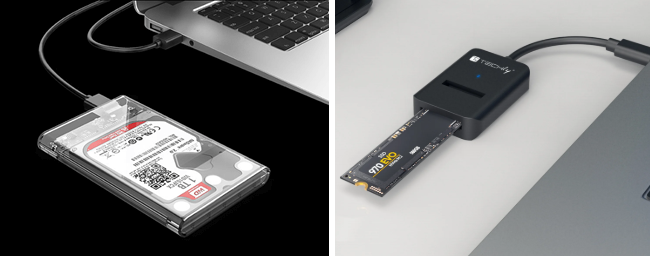
Identify your failing drive as the source and connect a healthy destination drive. The destination needs to have equal or larger capacity than the used space on the source (not necessarily the full raw capacity). For laptops, use a USB-to-SATA adapter or an external enclosure. Desktop users can install the new drive internally via SATA.
External USB enclosure for SSD drive

2. Configuring clone settings for bad sector handling

Renee Becca can intelligently read data from both healthy and damaged sectors, automatically handling errors in a way that protects the failing drive.

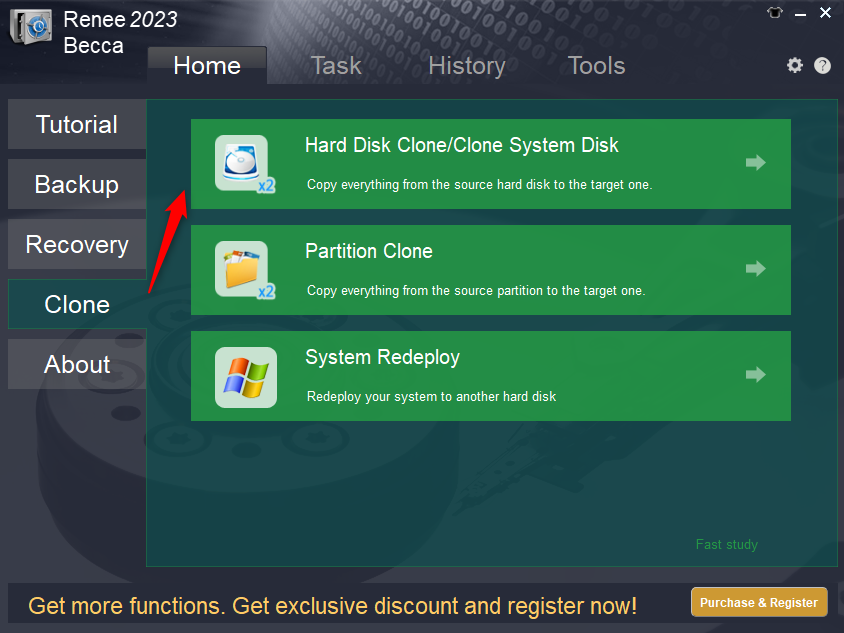
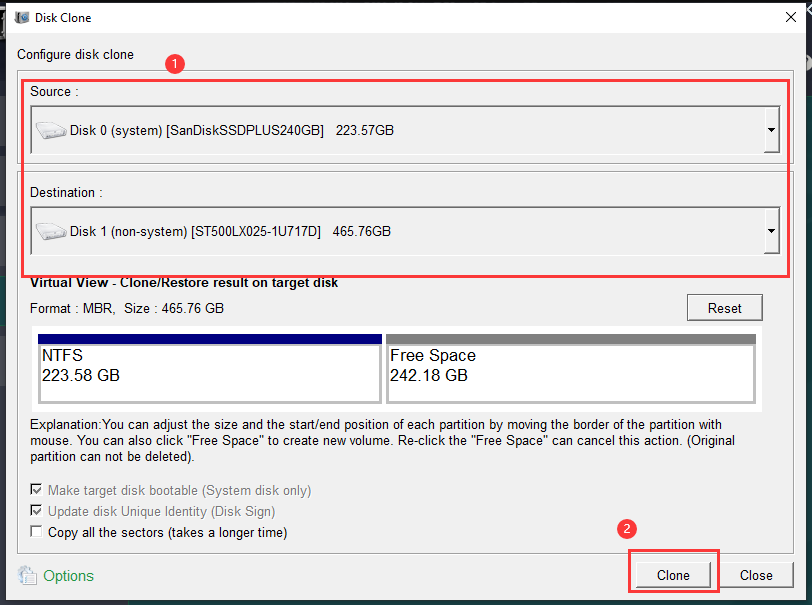
Launch Renee Becca and go to the Clone section. Select Hard Disk Clone / Clone System Disk.
renee becca disk clone
Choose the failing drive as the source and the healthy drive as the destination. In the advanced settings, keep the default mode enabled — it uses intelligent error‑handling to skip unreadable sectors and reduce stress on the damaged drive.
clone the hard disk
Use “Copy all sectors” only if you specifically need a forensic‑level, bit‑by‑bit clone. This mode is significantly slower and is more likely to trigger timeouts when the drive encounters bad areas.

For drives with bad sectors, it’s strongly recommended not to use “Copy all sectors.” This option forces the tool to read every block, which puts additional strain on an already failing drive and can make the situation worse.

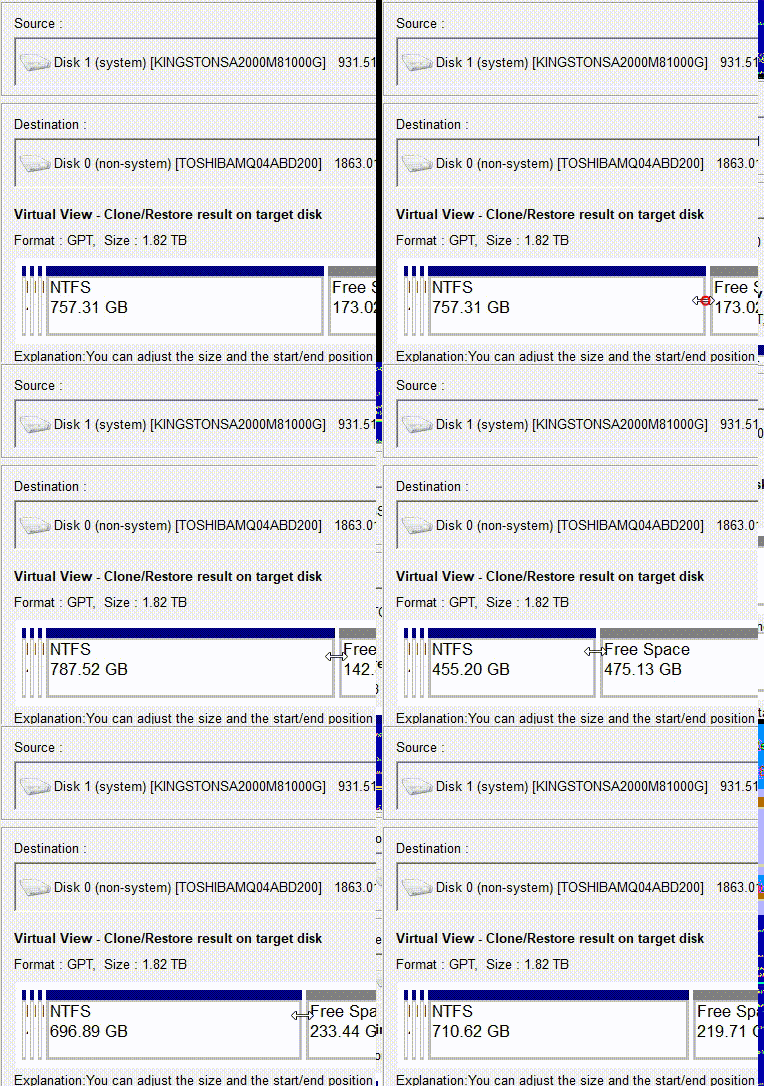
adjust partitions

3. Starting the clone and monitoring progress

Double-check your selections, then click Clone. The process can take anywhere from 30 minutes to several hours depending on drive size and how damaged it is. Renee Becca will show progress and note any skipped sectors along the way.
Let it run without interruptions. Once the progress bar hits 100%, the clone is complete.

Alternative methods when Renee Becca is not available

Several other tools exist, but most have serious limitations with bad sectors compared to dedicated solutions.

Free Windows cloning tools and their limitations

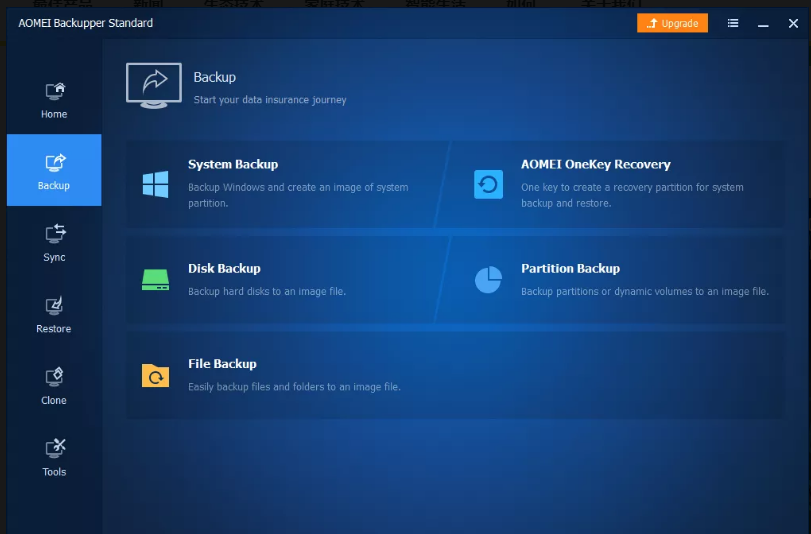
Free options like AOMEI Backupper Standard and Macrium Reflect Free work fine for healthy drives, but they often abort or freeze when they run into multiple bad sectors. For users with zero budget who are willing to accept higher risk, these tools provide a basic starting point — though they lack the robust error handling of a dedicated solution.
AOMEI Backupper
Advantages:
  • Free for basic use
  • Familiar Windows interface
  • Supports partition resize
  • Good for healthy drives

Disadvantages:

  • Often aborts on bad sectors
  • Limited advanced error recovery
  • May require multiple attempts

Given the risks of incomplete transfers, most users will find Renee Becca a much more reliable choice for drives with confirmed bad sectors.

Linux-based advanced recovery (for technical users only)

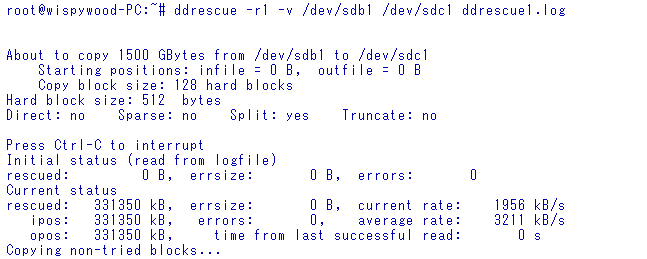
Linux-based tools like ddrescue and HDDSuperClone provide powerful low-level control specifically designed for drives with extensive physical damage. ddrescue uses a multi-pass approach — it skips bad areas initially to grab as much readable data as possible, then comes back to retry the damaged sections later. HDDSuperClone adds advanced algorithms for managing drive timeouts and resets.
Key strengths of this approach: excellent bad sector handling through configurable retry logic, completely free and open source, ability to resume interrupted cloning sessions, and detailed logging of damaged areas for targeted recovery attempts.
Important limitations: you need to be comfortable with command-line operations and creating a bootable Linux USB. Misconfigured commands can actually make the drive worse. This method is best for advanced users who need maximum recovery potential and are willing to invest time in learning.
ddrescue
Advantages:
  • Powerful error recovery
  • Multi-pass capability
  • Free and open source
  • Can resume interrupted sessions

Disadvantages:

  • Steep learning curve
  • Command line only
  • Risk of further damage if misused
  • Requires Linux environment

Step-by-step usage instructions:
  1. Create a bootable Linux USB (Ubuntu or SystemRescue) using Rufus or Etcher.
  2. Boot from the USB and open a terminal window.
  3. Identify source and destination drives using lsblk or fdisk -l.
  4. Run ddrescue with the appropriate flags:ddrescue -f -d -r3 /dev/source /dev/destination logfile.log
  5. If needed, run additional passes with -r to retry bad sectors.
For drives with severe damage, multiple passes over several hours or even days may be necessary.
For most home and business users, Renee Becca provides a simpler, safer path to successfully clone a hard drive with bad sectors — no Linux expertise required. The trade-off in advanced control is offset by dramatically lower complexity and risk.

After cloning – verify the new drive and handle remaining bad sectors

1. Run chkdsk on the cloned drive

If you cloned a system drive, boot from the new drive and run chkdsk again to confirm file system integrity. This verifies that the marked bad sectors did not carry over to your new drive.

2. Handling data that could not be cloned

Some data in severely damaged sectors may simply be unrecoverable. Prioritize your most important files and consider professional services for critical missing information. Set realistic expectations — while many files can be saved, anything sitting in an irrecoverable bad sector cannot.

3. Final health check and drive replacement

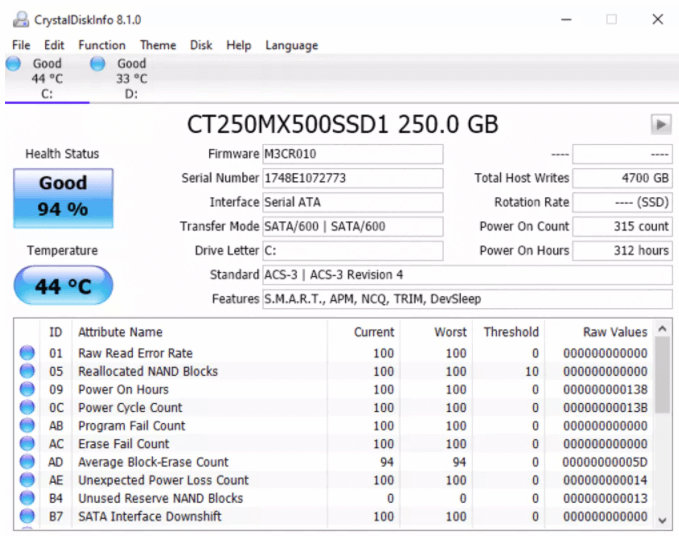
Use CrystalDiskInfo to verify the new drive’s health. Confirm the new drive is bootable (if you cloned a system drive), then retire the old failing drive — do not reuse it for anything critical. If the clone failed to read essential data, consider professional recovery.
how to check ssd health with crystaldiskinfo
Once you’ve confirmed the clone is bootable, retire the old drive from any important tasks.

Frequently Asked Questions (FAQ)

Can I clone a drive with bad sectors without running chkdsk first?

It’s strongly discouraged. chkdsk marks bad sectors so the operating system and cloning tool can avoid them, which reduces errors and potential further damage during the process.

How long does cloning a failing 1TB drive usually take?

Time varies widely — from under an hour for mostly healthy drives to several hours or more when many bad sectors require retries and skipping. Expect it to take longer than a normal clone.

Will cloning a bad drive make it worse or cause more data loss?

Cloning itself does not further damage the source if done carefully after running chkdsk. However, continued heavy use of a failing drive always carries some risk. The goal is to minimize access time.

Is sector-by-sector cloning always better for drives with bad sectors?

Not necessarily. It gives you an exact copy but takes much longer and may encounter more timeouts. Intelligent cloning (the default in Renee Becca) often yields better practical results by focusing on readable data first.
Renee Becca – Safe and Quick System Migration to SSD

Automatic 4K alignment Improves SSD performance during system migration.

Support GPT and MBR Automatically adapt to the suitable partition format.

Support NTFS and FAT32 Redeploy various files in different file systems.

Back up quickly Back up files at up to 3,000MB/min.

Overall backup schedule Support system redeployment/system backup/partition backup/disk backup/disk clone.

Automatic 4K alignment Improve SSD performance

Support GPT and MBR Intelligently adapt to a partition format

Support NTFS and FAT32 Redeploy files in different file systems
Free TrialFree TrialNow 56337 people have downloaded!

User Comments

Page 1

Leave a Comment


Your comment has been submitted and is awaiting moderation.