author avatar
    Senior Product Manager
Last update by James Smith at 9 September 2026

Summary
This comprehensive guide outlines the technical procedures required to clone dead Windows drive using WinPE USB, focusing on pre-clone diagnostics and offline data extraction. It details the utilization of specialized recovery software to execute secure disk cloning and verify bootability without relying on a functional operating system.


Windows can become unbootable without warning—whether from a blue screen, black screen, endless repair loop, or corrupted system files. In these cases, reinstalling Windows isn’t your only option. Often, the best solution is to create a working copy of the readable drive onto a new disk, preserving your operating system, installed programs, settings, and personal files.
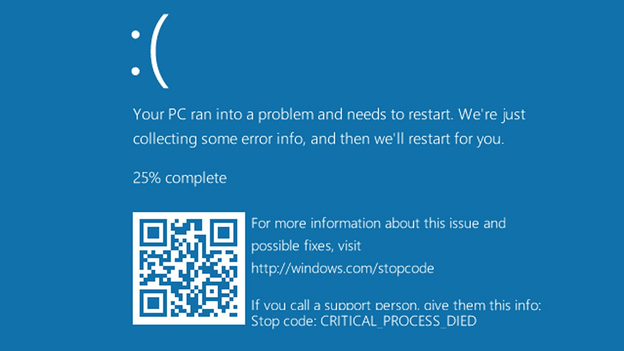
Screenshot of Windows 10/11 blue screen with stop code 0x000000EF and message CRITICAL_PROCESS_DIED
Cloning with a WinPE USB is especially useful when Windows can’t start at all. A bootable USB launches a lightweight, offline environment that can access the damaged Windows drive without needing to load the installed OS.

Important: The source drive must still be detected in the BIOS/UEFI or when connected via an external enclosure. If the drive appears in your firmware, you usually have a chance to clone it or at least recover essential data.

Pre-Clone Checks: Can the Source Drive Still Be Cloned Safely?

Before you begin, a quick triage can prevent further damage to a failing drive. Use this table to check your situation and decide how to proceed:
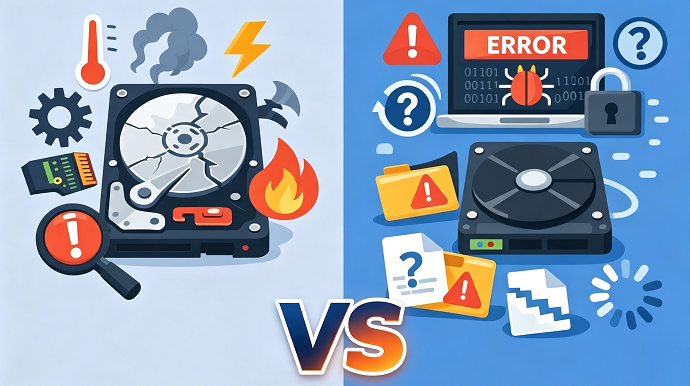
Side-by-side images: hard drive with circuit board damage (physical) versus file system error icon (logical)
Check What to Look For Action if Issue Found

Physical noise

Clicking, grinding, or repetitive beeping from the drive

Stop immediately and contact a professional recovery service.

BIOS/UEFI detection

Drive is missing from the disk list

Check SATA/NVMe cables or try the drive in an external enclosure; if still missing, stop.

SMART / bad sectors

Read errors, extreme lag, or freezing during file access

Prioritize Data Transfer over full cloning; rescue files first.

BitLocker encryption

Drive appears locked or asks for a recovery key

Locate the BitLocker password or 48-digit recovery key before cloning.

Target capacity

New drive is smaller than the old drive

Make sure the new drive can hold all used space from the source, not just the total capacity.

Boot mode

UEFI vs. Legacy/CSM mismatch

Note the original boot mode in BIOS/UEFI to ensure the clone will be bootable.

Your Offline Recovery Options Before Cloning

When Windows won’t boot, standard in-OS cloning tools aren’t an option—they require a running system. A bootable WinPE USB provides a minimal Windows environment to access the drive offline.
You have three main offline recovery options:
1. Full disk clone: Ideal for drives that are mostly healthy and when you need a complete, bootable replacement.
2. Data-first transfer: Safest for drives with bad sectors or unstable detection; focus on rescuing critical files before anything else.
3. Professional recovery: Required if the drive has physical or mechanical damage.
While free WinPE or Linux-based tools exist, many rely on command-line interfaces, lack a guided GUI, and can be difficult for beginners—especially when dealing with BitLocker encryption.
WinPE Rescue CD Linux‑based Live CD

Renee PassNow, Hiren’s BootCD PE, AOMEI PE Builder, EaseUS WinPE Disk

🐧 GParted Live, Clonezilla, SystemRescue, Ubuntu Live USB

👍 Pros: Familiar Windows‑style GUI, easier for beginners, supports BitLocker unlocking, integrates with Windows recovery workflows

👍 Pros: Free/open‑source, highly customizable, powerful command‑line tools, broad hardware support

👎 Cons: Often paid or limited free versions, heavier footprint, less flexible for advanced scripting

👎 Cons: Steeper learning curve, many tools are CLI‑only, GUI options less polished, Not support Bitlocker

🎯 Best For: Windows users needing guided recovery, GUI‑based cloning, or encrypted drive access

🎯 Best For: Tech‑savvy users comfortable with Linux, advanced partitioning, or forensic recovery

With this context in mind, you can see why a guided WinPE solution like Renee PassNow is recommended for everyday Windows users—it bridges the gap between raw recovery power and user‑friendly design. Let’s now look at how Renee PassNow simplifies the boot, unlock, and clone process compared to manual Linux workflows.

If the drive makes mechanical noise or suffers severe bad sectors, do not attempt a full clone. Instead, prioritize file recovery or contact a professional.

Use Renee PassNow to Boot with WinPE and Clone or Transfer Data

Renee PassNow is an all-in-one Windows recovery tool designed for situations like this. It lets you create a WinPE-based live USB, then provides a straightforward GUI for offline data access, BitLocker unlocking, and disk cloning—no need to load your installed Windows.
Recommended workflow:
1. Start with Data Transfer: Extract your most important files first. This ensures your data is safe before any intensive disk operations.
2. Proceed to Disk Clone(Data Backup): If the drive appears stable and you need to migrate a large amount of data or the full system, use the Disk Clone feature.

Why Renee PassNow Fits This Workflow

Renee PassNow brings together WinPE creation, BitLocker unlocking, data transfer, and disk cloning in a single, user-friendly interface. If your drive is unstable, Data Transfer offers a safe way to copy essential files before attempting a full disk clone.
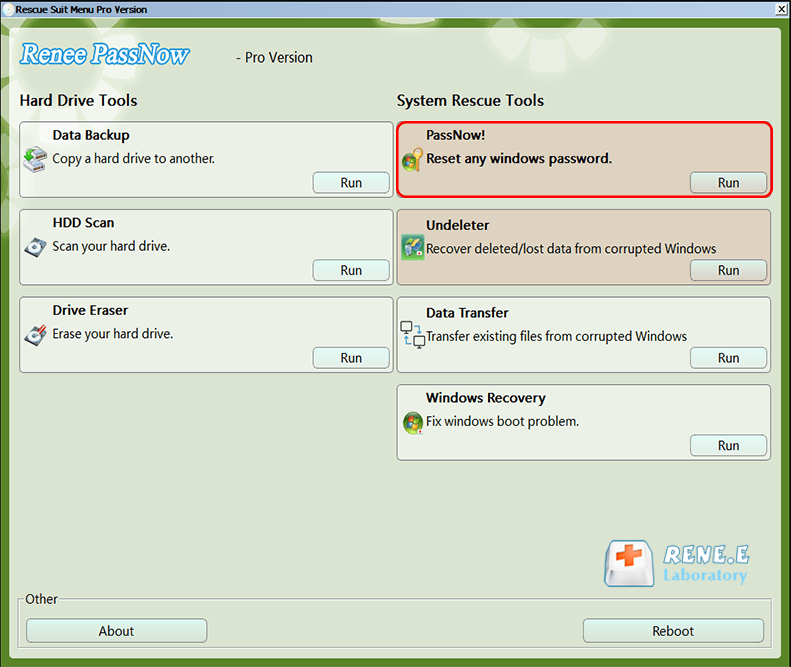
Renee PassNow main interface with 'PassNow!' function selected
Get Renee PassNow to Clone Your Dead Windows Drive

Remove Windows Login Password 3 steps for whole password remove process.

Recover the files Recover the deleted files without Windows system.

Transfer the data Transfer the important files of the computer with system.
Multifuctional Data transfer, data recovery, bootable problem recovery can be run without system.

Highly compatible Windows 11/10/8.1/8/7/XP/Vista. UEFI boot.

Remove Login Password Support Windows 11/10/8.1/8/7/XP/Vista. UEFI boot.

Recover the files Recover the deleted files without Windows system.

Transfer the data Transfer the important files of the computer with system.
Free TrialFree TrialNow 2000 people have downloaded!

How to Clone the Dead Windows Drive Using a Renee PassNow WinPE USB

Begin on a working computer, then move to the unbootable PC. If your source drive is unstable, never skip the Data Transfer step.

1. Create the Renee PassNow Live USB on a Working PC

- Download and install Renee PassNow on a functional computer.
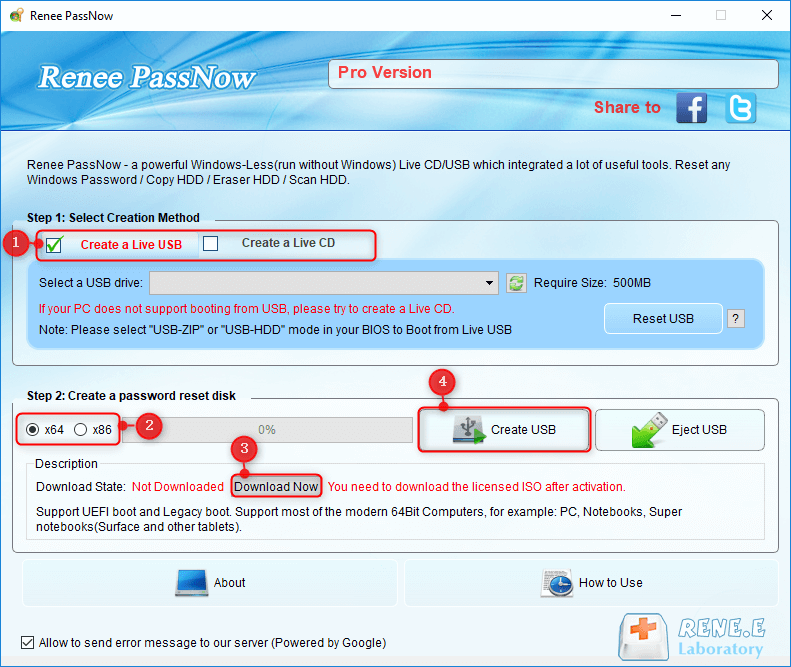
- Launch Renee PassNow, connect a USB drive, and select Create a Live USB in Step 1: Choose the creation method.

Warning: This will erase all data on the USB drive—back up anything important first.

- Choose your system architecture: x64 for modern PCs, x86 for older 32-bit systems. Download the ISO, then click Create Live USB.
use renee passnow to create usb to reset passnword

2. Boot the Dead Machine from the USB

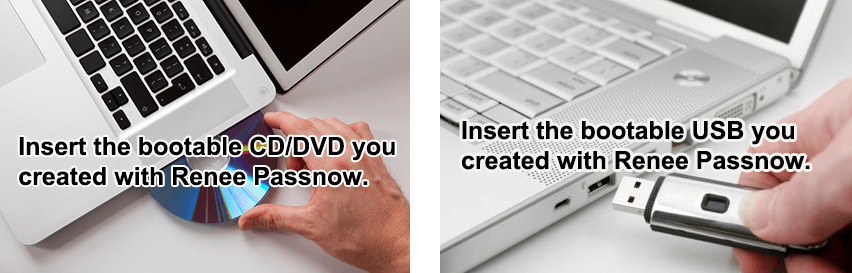
- Insert the prepared USB into the unbootable PC and restart it.
- As soon as the screen comes on, repeatedly tap the boot menu key (the prompt may only flash briefly).
Insert the boot device
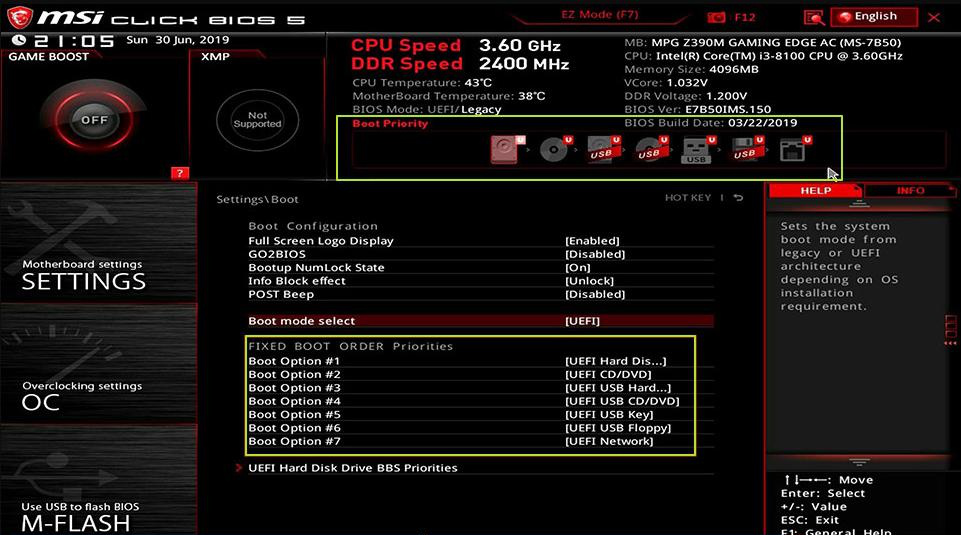
- In the Boot Priority menu, set the USB drive as the primary boot device, save changes, and reboot.
select boot order
Common Boot Menu Keys and BIOS Setup Keys:
BIOS / Computer Brand Boot Menu Key BIOS Setup Key

DELL

F12

F2

HP

F9 (boot menu) / Esc → F9

Esc → F10 (some models F10 direct)

ASUS

Esc (laptops) / F8 (desktops)

F2 or Delete

Acer

F12 (must be enabled in BIOS)

F2 or Delete

Lenovo (Consumer Laptops)

F12 (some models Novo Button)

F2

Lenovo (Desktops)

F12

F1

Lenovo (ThinkPads)

F12

F1

MSI

F11

Delete

Samsung

F10 or F11 (varies by model)

F2

Gigabyte / Aorus

F12

Delete

Intel (NUC / Boards)

F10

F2

Microsoft Surface Tablets

Hold Volume Down + Power

Hold Volume Up + Power

3. (Optional) Unlock BitLocker if the Source Drive is Encrypted

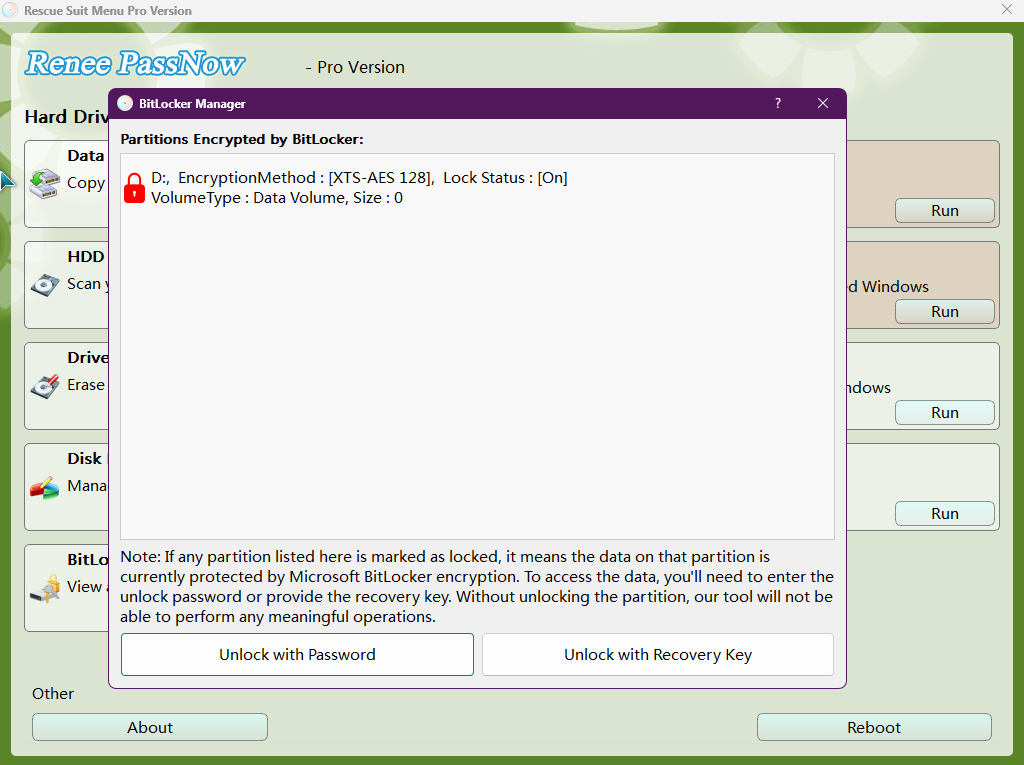
If Renee PassNow detects BitLocker encryption, the built-in BitLocker Manager will prompt you for a password or recovery key. Enter your BitLocker password if you know it; otherwise, use the 48-digit recovery key, which may be saved to your Microsoft account or a backup file.
Remember: A Windows password or PIN is not the same as a BitLocker password. If your PC is linked to a Microsoft account, you can retrieve the recovery key online.
Unlock the system using the BitLocker manager provided by PassNow

Note: The Basic edition of Renee PassNow does not support BitLocker unlocking.

4. Run Data Transfer to Rescue Critical Files First

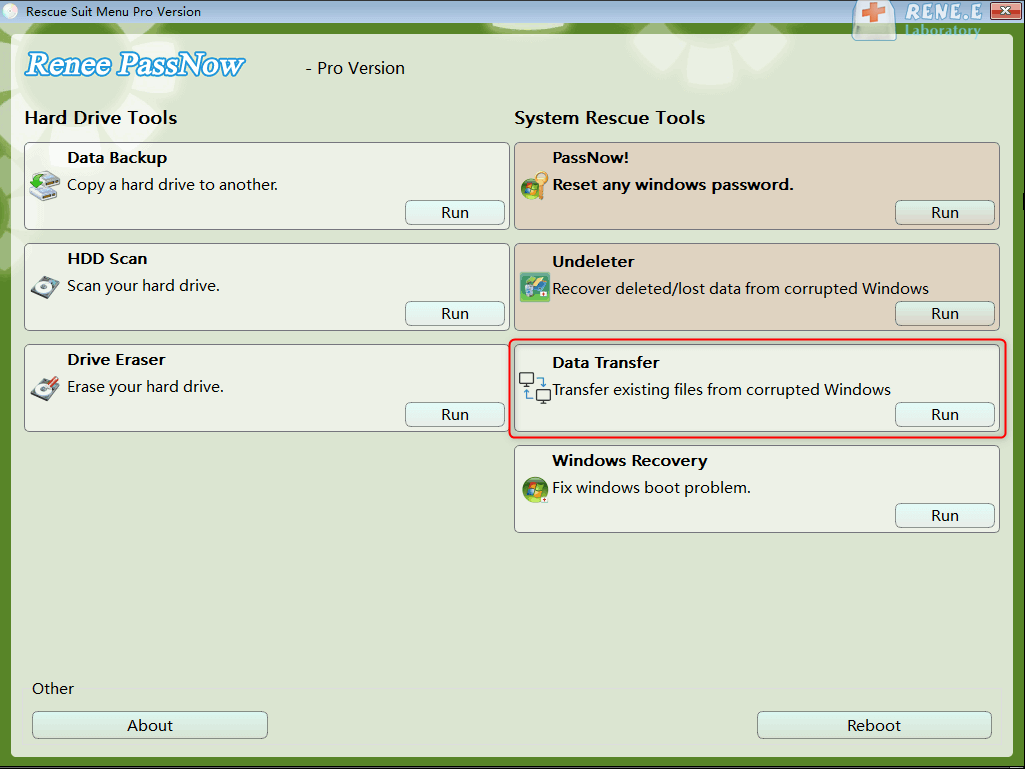
Once WinPE loads, open Data Transfer from the Renee PassNow main interface. This is your safest first step on a dead or failing drive.
data transfer
- Browse each drive letter (C, D, E, F, etc.) to ensure no important files are missing.
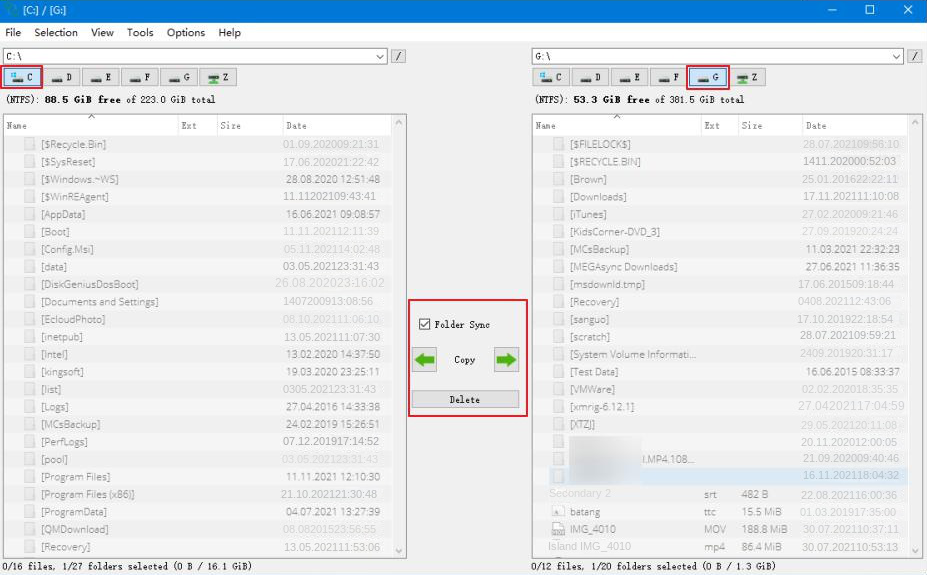
- Select the source drive on the left, and the external destination drive on the right.
- Choose your files and click Copy.
transfer data interface
Common folders to check:
Location What It Stores

C:\Users\YourUserName\Documents

Word docs, PDFs, spreadsheets

C:\Users\YourUserName\Pictures

Photos, screenshots, image libraries

C:\Users\YourUserName\Downloads

Browser and app downloads

C:\Users\YourUserName\Desktop

Desktop shortcuts and files

C:\Users\YourUserName\Videos

Videos, screen recordings, exports

C:\Users\YourUserName\Music

Music files, audio projects

C:\Users\YourUserName\AppData

App data and browser profiles

Do not attempt a full clone until you’ve copied essential files to another disk—especially if the drive is unstable or has bad sectors.

5. Run Disk Clone for Full System Migration

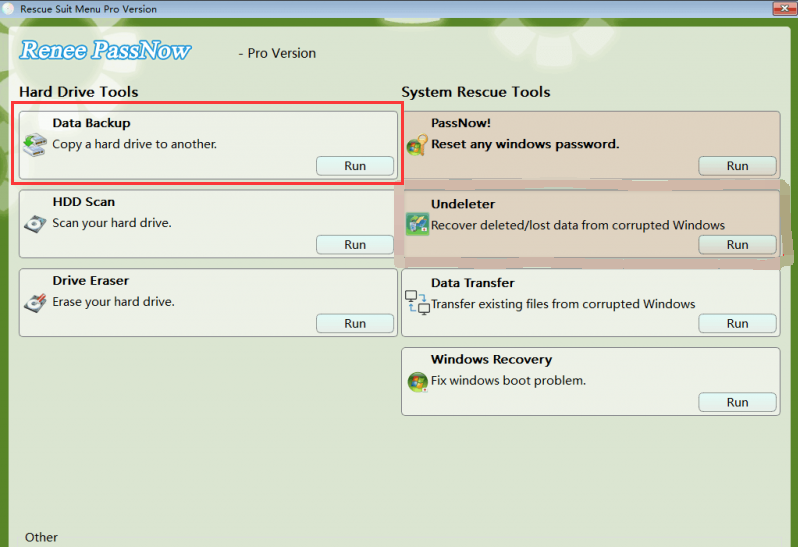
Once you’ve secured your critical data, choose Data Backup from the main menu. Select your source disk (the dead Windows drive) and your target disk (the new SSD or HDD).
passnow data backup

Warning: Cloning will completely overwrite the target drive. Back up any data from the target disk before proceeding.

Start the clone and wait for it to finish. Avoid interrupting a sector-by-sector clone unless the drive becomes unresponsive.

FAQ

What if my source drive has bad sectors—will the clone still work?

A clone may succeed if bad sectors are limited, but repeated read attempts can worsen drive failure. Always use Data Transfer to save important files first, then try Intelligent Clone. If the drive is very unstable, focus on file recovery and skip cloning.

Can I clone to a smaller SSD than the original drive?

Yes, as long as the new SSD can hold the used space from the old drive. Intelligent Clone can resize partitions to fit. Always check the source drive’s used space—not its total size—before buying a replacement.

The cloned drive boots to a black screen—what should I check first?

First, check the BIOS boot mode. A clone from a UEFI installation usually requires UEFI mode. Also, disconnect the old drive and, if necessary, run boot repair commands.
Renee Passnow – Professional Windows Password Remover

Remove Windows Login Password 3 steps for whole password remove process.

Enable/Create Administrator One click for creating new administrator and enable the disabled account.

Widely Use New version supports UEFI boot model, which can be used on more computers, laptops and even surfaces.

Multifuctional Data transfer, data recovery, bootable problem recovery can be run without system.

Highly compatible Windows 11/10/8.1/8/7/XP/Vista.

Remove Login Password Support Windows 11/10/8.1/8/7/XP/Vista.

Enable/Create Administrator One click for creating new administrator and enable the disabled account.

Easy to use No need of any professional knowledge or password reset disk.

Free TrialFree TrialNow 2000 people have downloaded!

User Comments

Page 1

Leave a Comment


Your comment has been submitted and is awaiting moderation.